Eritrea

แŠคแˆญแ‰ตแˆซ  |  ุฅุฑูŠุชุฑูŠุง

The State of Eritrea โ€” a land of ancient civilizations, stunning landscapes, and a people forged by one of Africa's longest independence struggles.

๐ŸŒ East Africa ๐Ÿ™๏ธ Capital: Asmara ๐Ÿ“… Independence: 1993 ๐ŸŒŠ Red Sea Coast
Explore Eritrea
โ†“ Scroll to explore
๐ŸŒก๏ธ
โ€”ยฐC
Asmara
แ‰ตแŒแˆญแŠ›Word of the Day
โ€”
๐Ÿ’ฑ ERN Converter
= โ€”
๐Ÿ›๏ธAsmara๐ŸŒก๏ธโ€”ยฐ
โ›ตMassawa๐ŸŒก๏ธโ€”ยฐ
๐ŸŒฟKeren๐ŸŒก๏ธโ€”ยฐ
๐Ÿ”๏ธMendefera๐ŸŒก๏ธโ€”ยฐ
๐ŸŒพBarentu๐ŸŒก๏ธโ€”ยฐ
Live weather updatingโ€ฆ
๐Ÿ›๏ธ
Capital
Asmara
๐Ÿ‘ฅ
Population
~3.5 Million
๐Ÿ“
Area
117,600 kmยฒ
๐Ÿ’ฐ
Currency
Nakfa (ERN)
๐Ÿ—ฃ๏ธ
Languages
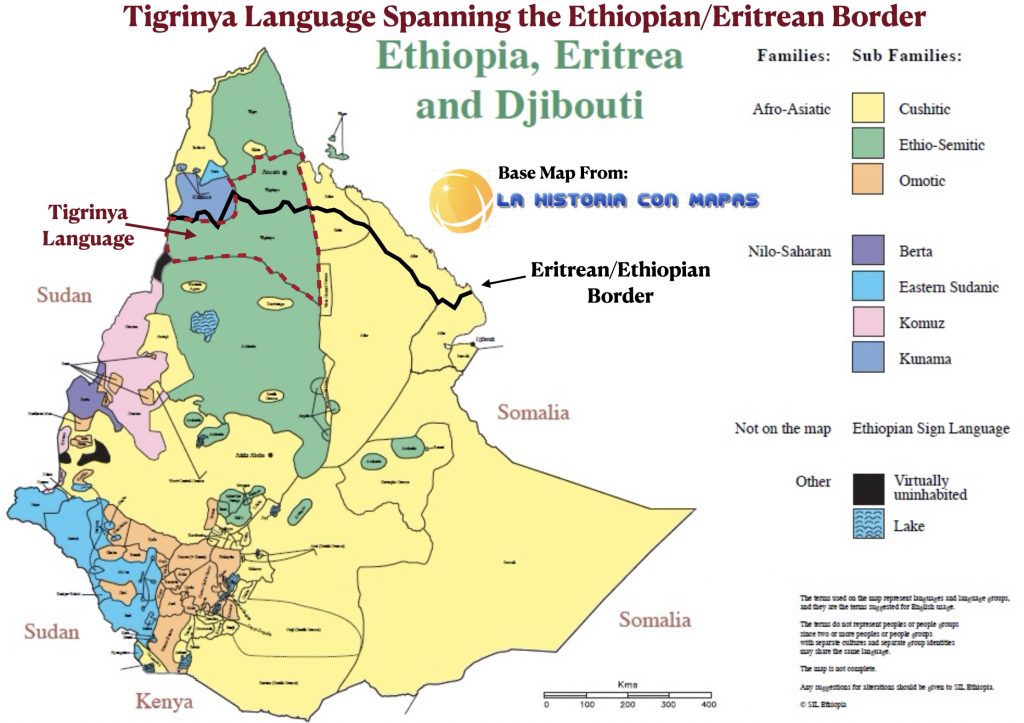
Tigrinya, Arabic, English
๐Ÿ•Œ
Religions
Christianity & Islam
๐ŸŒก๏ธ
Climate
Semi-arid to Highland
๐Ÿ—บ๏ธ
Calling Code
+291
โ— LIVE

Eritrea Live

Real-time data, daily updates, world connections
๐Ÿ• Eritrean Diaspora โ€” Live Times
๐Ÿ‡ช๐Ÿ‡ท Eri Today
๐ŸŒ•
๐Ÿ’ฑ ERN Exchange Rates
Based on official ERN peg โ€ข Updated daily
๐ŸŒ Today's World Spotlight

Latest News

Live headlines from Eritrea, Africa, and the world โ€” updated every 30 minutes

Explore Eritrea

Click any city pin to learn about it โ€” major cities, ports, and landmarks

Overview of Eritrea

Officially the State of Eritrea (แˆƒแŒˆแˆจ แŠคแˆญแ‰ตแˆซ), located in the Horn of Africa along the Red Sea

Eritrea is a country in the northeastern region of Africa, also known as the Horn of Africa. It is bordered by Ethiopia to the south, Sudan to the west and north, Djibouti to the southeast, and has a long coastline along the Red Sea to the east โ€” stretching over 2,234 km.

The country includes the Dahlak Archipelago and several of the Hanish Islands in the Red Sea. The name "Eritrea" derives from the ancient Greek name Erythraia (แผ˜ฯฯ…ฮธฯฮฑฮฏฮฑ), meaning "Red Land," after the Red Sea.

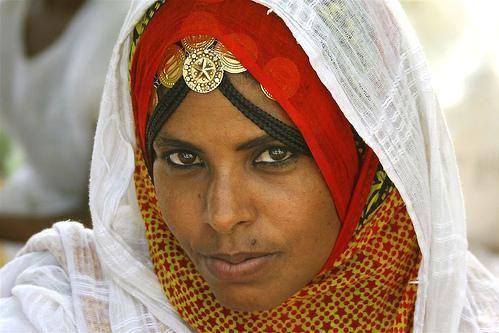
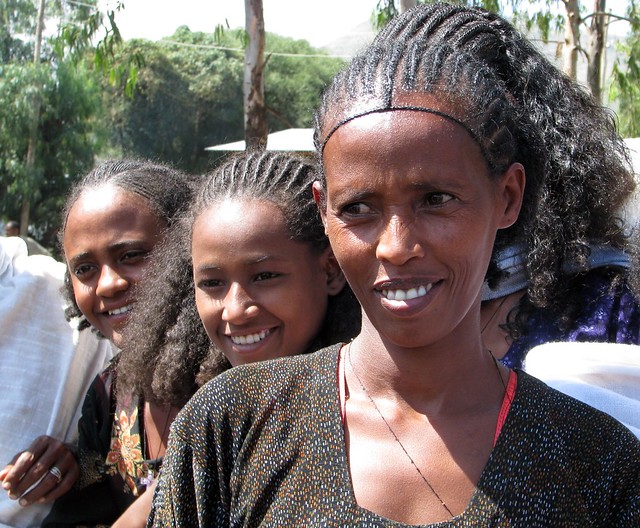
Eritrea is a multi-ethnic, multilingual, and multi-religious nation home to nine recognized ethnic groups. Its capital and largest city, Asmara, is renowned for its remarkable collection of Modernist architecture โ€” a UNESCO World Heritage Site since 2017.

"Eritrea: Where the Red Sea meets ancient highland civilization."
Map showing Eritrea's location in Africa

Eritrea's location in the Horn of Africa

A Rich Historical Journey

From ancient kingdoms to a hard-won independence โ€” Eritrea's story spans thousands of years

Ancient Times

Ancient Civilizations

The area now known as Eritrea was home to some of the earliest human settlements. The region was part of the ancient land of Punt, known to the ancient Egyptians for its trade in incense, ebony, and gold. The Kingdom of D'mt flourished here around 900โ€“400 BC.

100 AD โ€“ 940 AD

Kingdom of Aksum

Eritrea was the heartland of the powerful Aksumite Empire (also spelled Axum), one of the great civilizations of the ancient world. Aksum was a major trading empire connecting Rome, India, and Arabia. The city of Adulis (near modern Massawa) was one of the most important ports in antiquity. Aksum was one of the first states to adopt Christianity in the 4th century AD.

1517 โ€“ 1865

Ottoman & Egyptian Control

Following the decline of Aksum, the coastal regions came under Ottoman Empire control beginning in 1517. The Ottomans held Massawa and the coastal lowlands. In the 19th century, Ottoman influence was replaced by Egyptian rule under the Khedivate of Egypt, which expanded into the hinterland.

1890 โ€“ 1941

Italian Colonization

Italy formally established the Colony of Eritrea on January 1, 1890. Italian colonizers developed infrastructure including roads, railways, and the remarkable Modernist architecture of Asmara. The name "Eritrea" was officially used for the first time by the Italians. Italy used Eritrea as a base for its failed attempt to colonize Ethiopia (Battle of Adwa, 1896) and the successful conquest of Ethiopia in 1935โ€“36.

1941 โ€“ 1952

British Administration

During World War II, British forces defeated Italy in East Africa. British Military Administration governed Eritrea from 1941 to 1952. The British period saw rising political activity and debate about Eritrea's future โ€” independence, union with Ethiopia, or union with Sudan.

1952 โ€“ 1961

Federation with Ethiopia

Under UN resolution, Eritrea was federated with Ethiopia as an autonomous unit in 1952. The federation guaranteed Eritrea its own government, flag, and official languages. However, Ethiopia systematically dismantled Eritrean autonomy โ€” dissolving its parliament, banning political parties, and suppressing Tigrinya and Arabic languages.

1961 โ€“ 1991

The 30-Year War of Independence

In 1962, Ethiopian Emperor Haile Selassie illegally annexed Eritrea, dissolving the federation. This triggered one of Africa's longest independence wars. The Eritrean Liberation Front (ELF) began armed resistance in 1961. Later, the Eritrean People's Liberation Front (EPLF) became the dominant liberation movement. After 30 years of brutal war, EPLF forces liberated Eritrea in May 1991.

April 23โ€“25, 1993

Independence Referendum

Eritreans voted in a UN-supervised independence referendum. An overwhelming 99.83% voted for independence. On May 24, 1993, Eritrea was officially proclaimed an independent sovereign state and was admitted to the United Nations. May 24th is celebrated as Eritrea's Independence Day.

1998 โ€“ 2000

Eritrea-Ethiopia War

A devastating border war with Ethiopia erupted in 1998 over disputed territories, particularly the town of Badme. The conflict resulted in tens of thousands of casualties on both sides. A peace agreement was signed in Algiers in December 2000. A UN boundary commission later awarded Badme to Eritrea, but Ethiopia refused to implement the ruling until 2018.

2018 โ€“ Present

Peace with Ethiopia

In July 2018, Eritrean President Isaias Afwerki and Ethiopian Prime Minister Abiy Ahmed signed a landmark peace declaration ending the state of war between the two nations. Borders were reopened, flights resumed, and diplomatic relations restored. Ethiopia's PM Abiy Ahmed was awarded the Nobel Peace Prize in 2019 partly for this achievement. The peace opened a new chapter for both nations.

Land & Landscape

From highland plateaus to Red Sea shores โ€” Eritrea's diverse terrain spans three ecological zones

โ›ฐ๏ธ

Central Highlands

The Kebessa (highlands) run north-south through the center of Eritrea, with elevations between 1,800โ€“3,000 meters. This cool, fertile plateau is home to the capital Asmara. The highest peak is Emba Soira at 3,018 m above sea level.

๐ŸŒŠ

Red Sea Coast

Eritrea has one of the longest coastlines in Africa โ€” over 2,234 km along the Red Sea. The coast features the historic port city of Massawa, coral reefs, white sand beaches, and the Dahlak Archipelago with over 200 islands.

๐ŸŒพ

Western Lowlands

The western lowlands border Sudan and are significantly lower and hotter than the highlands. This semi-arid region is home to the Gash-Barka and Anseba river valleys, with scattered acacia forests and the Kunama, Nara, and Beja peoples.

๐Ÿœ๏ธ

Southern & Eastern Lowlands

The southeastern region bordering Djibouti is largely arid, featuring the Danakil Depression (one of the hottest places on Earth), the Afar Triangle, and salt lakes. The Afar people are the traditional inhabitants of this extreme environment.

๐ŸŒก๏ธ

Climate Zones

Eritrea has three main climate zones: highland (cool, 16โ€“22ยฐC), coastal/eastern (hot and arid, 25โ€“40ยฐC), and western lowland (hot with seasonal rains, 22โ€“35ยฐC). The rainy season in the highlands is Juneโ€“September.

๐Ÿ˜

Wildlife & Nature

Eritrea is home to diverse wildlife including African elephants, lions, leopards, ostriches, and baboons. The Dahlak Marine National Park protects exceptional marine biodiversity including dugongs, turtles, and hundreds of fish species along pristine coral reefs.

Borders & Location

North/West๐Ÿ‡ธ๐Ÿ‡ฉ Sudan
South๐Ÿ‡ช๐Ÿ‡น Ethiopia
Southeast๐Ÿ‡ฉ๐Ÿ‡ฏ Djibouti
East๐ŸŒŠ Red Sea

Eritrea's 6 Regions

Click any region to explore its cities, people, and landmarks

Demographics & Ethnic Groups

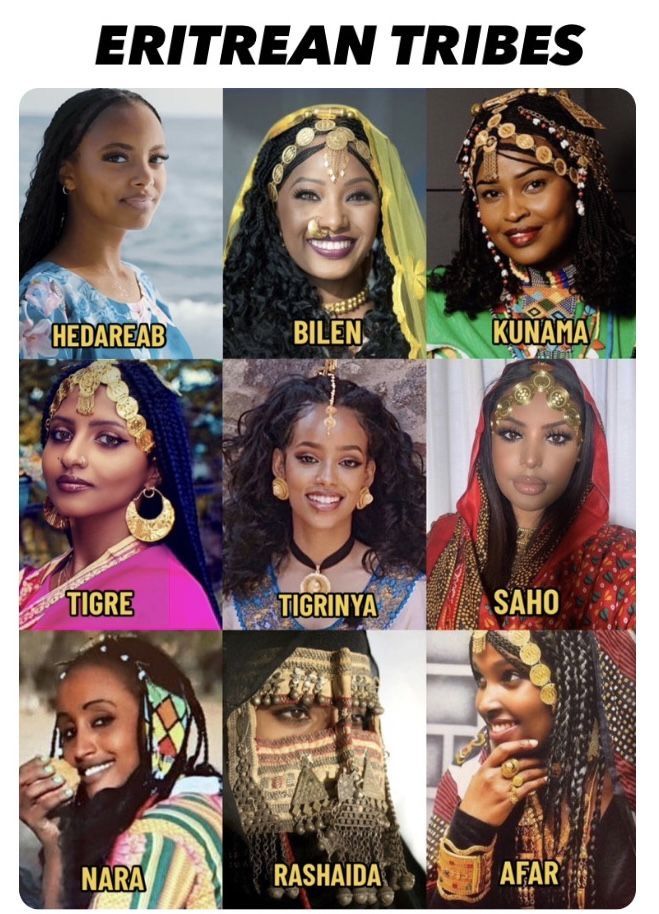
Eritrea is home to nine officially recognized ethnic groups, each with a distinct language and cultural heritage

55%

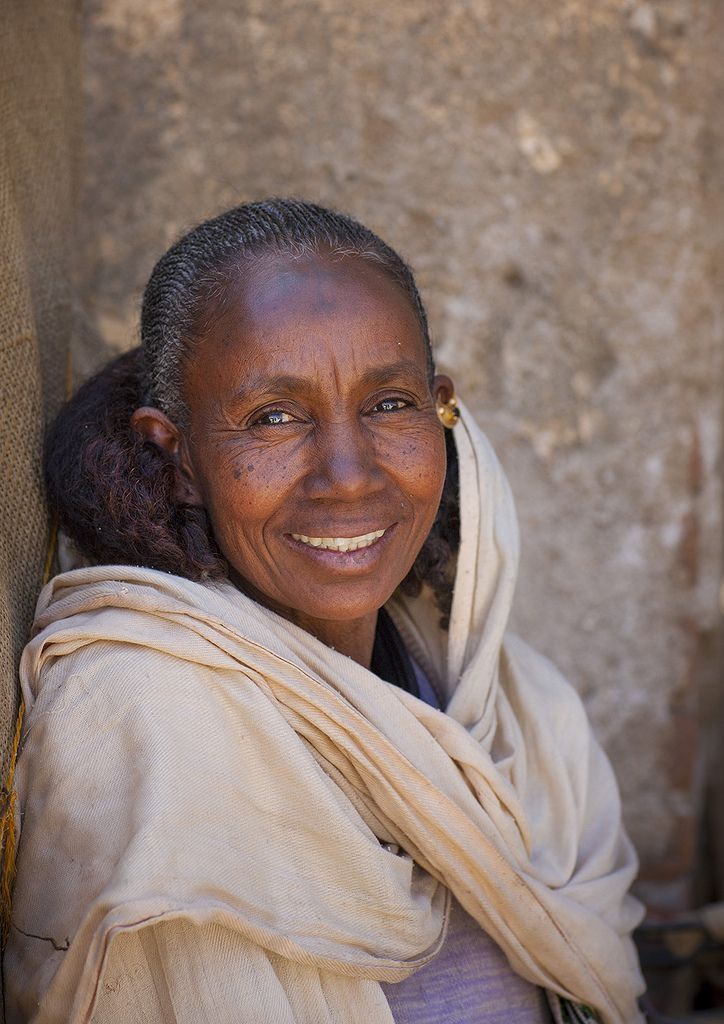
Tigrinya

The largest ethnic group, living primarily in the central highlands (Kebessa). They speak Tigrinya (แ‰ตแŒแˆญแŠ›), a Semitic language. Predominantly Orthodox Christian. They form the core of Eritrean cultural, political, and economic life.

30%

Tigre

The second-largest group, living in the northern highlands, western lowlands, and coastal areas. They speak Tigre (แ‰ตแŒแˆจ), a related Semitic language. Predominantly Muslim. Tigre society is traditionally pastoralist and semi-nomadic.

5%

Saho

Inhabiting the southeastern highlands and coastal areas, the Saho speak a Cushitic language. They have a mix of Muslim and Christian communities. Traditionally pastoral, they are known for their distinctive oral poetry and music traditions.

3%

Kunama

Living in the southwestern Gash-Barka region near Sudan, the Kunama speak a Nilo-Saharan language โ€” unique among Eritrean ethnic groups. They are predominantly animist with some Christian and Muslim minorities. They have a matrilineal social structure.

2%

Rashaida

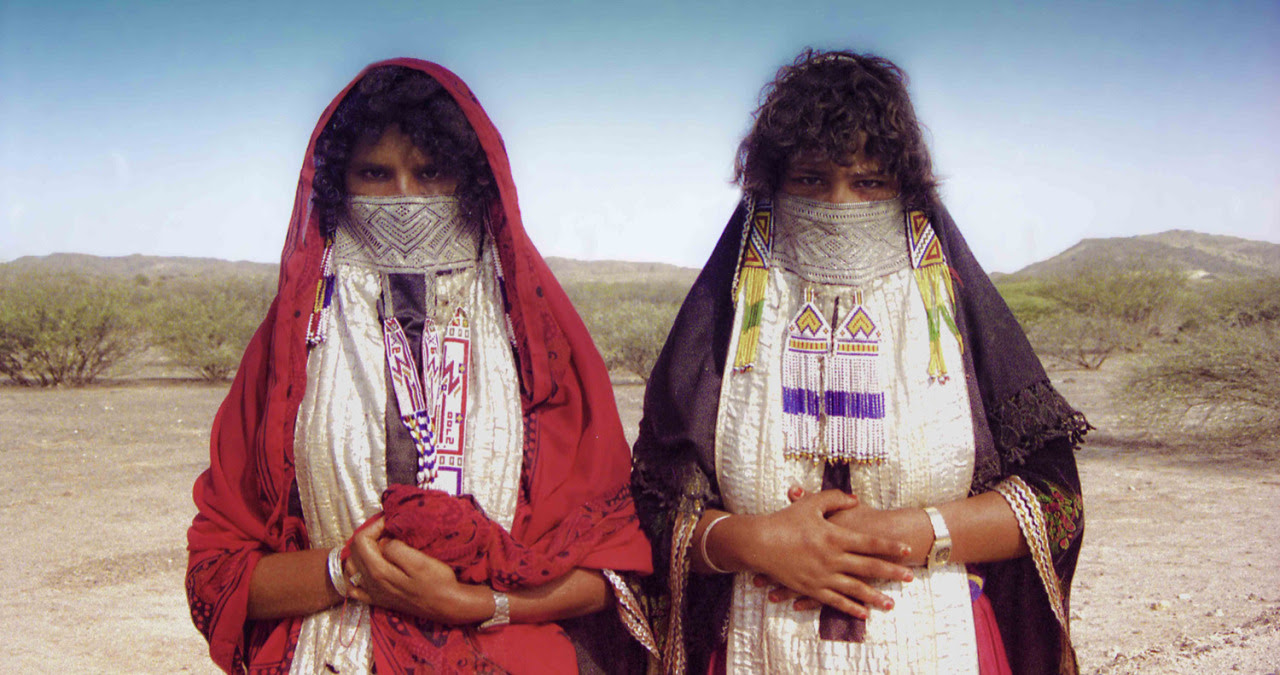
A relatively recent community, the Rashaida migrated from the Arabian Peninsula in the 19th century. They live in the northern coastal lowlands and speak Hejazi Arabic. Strictly Muslim, the Rashaida are known for their beautiful silver jewelry and embroidered face masks worn by women.

2%

Bilen

Centered around the town of Keren in northern Eritrea, the Bilen speak a Cushitic language. About half are Catholic and half are Muslim. Keren, their main town, is famous for its vibrant market and camel fair.

2%

Afar

Inhabiting the extreme southeastern region and Djibouti border areas, the Afar speak an Afroasiatic (Cushitic) language. Predominantly Muslim, they are adapted to the extremely harsh climate of the Danakil Depression โ€” one of the hottest and lowest places on Earth.

1%

Beja (Hedareb)

Living in the northwestern lowlands near Sudan, the Beja (also called Hedareb in Eritrea) speak Beja, a Cushitic language. They are Muslim and traditionally camel-herding nomads. They are known for their distinctive hair styles and silver ornaments.

1%

Nara

One of the smallest groups, living in the southwestern lowlands. They speak Nara, a Nilo-Saharan language. Like the Kunama, the Nara have a matrilineal social structure and practice a mix of animism, Christianity, and Islam.

Ethnic Group Distribution

Religions

โœ๏ธ

Eritrean Orthodox Tewahedo

The largest Christian denomination, the Eritrean Orthodox Tewahedo Church became autocephalous in 1993. It follows ancient Ge'ez liturgical traditions and is one of the Oriental Orthodox churches. Major holidays include Timkat (Epiphany) and Meskel (Finding of the True Cross).

โ˜ช๏ธ

Islam (Sunni)

Islam was introduced to Eritrea very early โ€” some of the first Muslim refugees fled to Eritrea from Mecca in 615 AD. Today, roughly 48โ€“50% of Eritreans are Sunni Muslim, predominantly in the lowland regions, western areas, and coastal zones.

โ›ช

Roman Catholic

Introduced during Italian colonization, Catholicism has a significant presence particularly among the Bilen and some Tigrinya communities. The Cathedral of Our Lady of the Rosary in Asmara is one of the finest examples of Italian Romanesque architecture in Africa.

๐Ÿ•Š๏ธ

Evangelical (Lutheran)

The Evangelical Church of Eritrea (Lutheran) has roots in 19th-century Swedish and Swedish-American missionary work. It has a significant following, particularly in certain highland communities and urban areas.

Culture, Food & Traditions

A vibrant cultural mosaic shaped by ancient traditions, diverse ethnicities, and centuries of history

๐Ÿซ“

Injera (แŠขแŠ•แŒ€แˆซ)

The staple food of Eritrea โ€” a large, spongy, sourdough flatbread made from teff flour (a tiny grain unique to the Horn of Africa). Injera serves as both plate and utensil. Food is placed on top and eaten by tearing pieces of injera and using them to scoop up stews.

๐Ÿฒ

Tsebhi (แŒฝแ‰ฅแˆ’)

Rich, spiced stews served on injera. Tsebhi derho (chicken stew with berbere spice), Tsebhi sga (meat stew), and Tsebhi birsen (lentil stew) are staples. Berbere โ€” a complex spice blend of chili, fenugreek, coriander, and more โ€” is central to Eritrean cooking.

โ˜•

Coffee Ceremony (แ‰กแŠ•)

The Eritrean coffee ceremony (Bun or Jebena) is a central social ritual. Green coffee beans are roasted over charcoal, ground by hand, and brewed in a traditional clay pot (jebena). Three rounds of coffee are served: Abol, Tona, and Baraka (blessing). Refusing coffee is considered rude.

๐Ÿซ˜

Ful Medames (แ‰แˆ)

Fava beans slow-cooked with olive oil, garlic, and lemon juice โ€” a popular breakfast dish especially in urban areas, reflecting Eritrea's connections to Middle Eastern cuisine through centuries of Red Sea trade.

๐Ÿง€

Zigni & Pasta

A legacy of Italian colonization โ€” pasta with Zigni (spiced lamb/beef in tomato-berbere sauce) is uniquely Eritrean. Italian influence blended with local ingredients created a distinctive Eritrean-Italian fusion cuisine still enjoyed today, especially in Asmara's cafes and restaurants.

๐Ÿฏ

Mes (Honey Wine)

Mes is Eritrean honey wine (mead), similar to Ethiopian tej. It is made by fermenting honey with water and gesho (buckthorn). A traditional drink served at celebrations, weddings, and cultural ceremonies. Swa (sorghum beer) and Suwa are also traditional beverages.

๐ŸŽต

Kirar (แŠญแˆซแˆญ)

A traditional five- or six-stringed lyre central to Tigrinya music. The kirar is used in traditional music, celebrations, and ceremonies. Its bright, plucked sound is instantly recognizable. Famous artists like Abraham Afewerki elevated traditional Eritrean music to international audiences.

๐Ÿช˜

Kebero (แŠจแ‰ แˆฎ)

A double-headed drum used in religious ceremonies, weddings, and cultural events. The kebero is beaten with bare hands and its deep resonant sound is fundamental to Eritrean and Ethiopian traditional music. It is particularly important in Orthodox Christian liturgical music.

๐ŸŽบ

Embilta (แŠฅแˆแ‰ขแˆแ‰ณ)

Traditional end-blown flutes made from bamboo or metal, used in various ethnic music traditions across Eritrea. Different sizes and pitches create rich harmonic combinations in ensemble playing.

๐ŸŽถ

Modern Eritrean Music

Contemporary Eritrean music blends traditional elements with modern influences. Artists like Dehab Faytinga, Yohannes Tikabo, and the late Abraham Afewerki achieved pan-African fame. Music plays a critical role in Eritrean national identity and pride.

๐Ÿ’ƒ

Traditional Dance

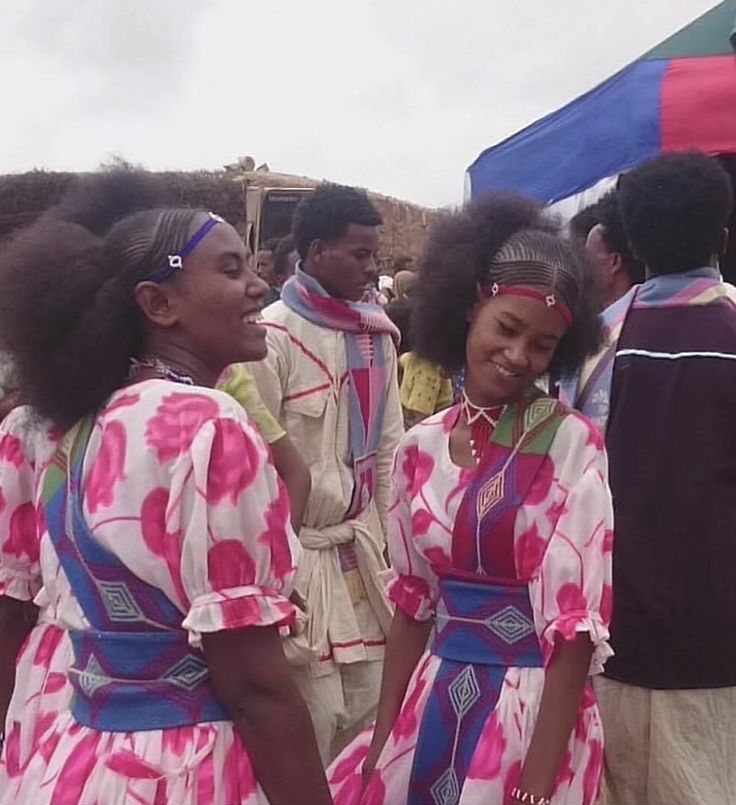
Each ethnic group has its own distinctive dances. Guayla is the popular Tigrinya line dance performed at celebrations, characterized by rhythmic shoulder movements. The Tigre and Rashaida peoples have their own distinct dance traditions performed at weddings and seasonal festivals.

๐Ÿ“œ

Poetry & Oral Literature

Eritrea has a rich tradition of oral poetry. Tigrinya poetry (Ruba'i-style compositions) and Saho oral tradition are particularly celebrated. Poetry recitation, oral history, and storytelling are vital cultural practices maintained across generations.

๐Ÿ’’

Weddings

Eritrean weddings are multi-day community events. Celebrations include zeffet (bridal procession), traditional music, communal feasting, and days-long celebration. Traditional brides wear elaborate headdresses and gold jewelry. The groom's family traditionally provides gifts including cattle.

๐ŸŒŸ

Timkat (แŒฅแˆแ‰€แ‰ต)

The Eritrean Orthodox celebration of Epiphany (January 19/20) is among the most spectacular festivals. The tabot (replica of the Ark of the Covenant) is carried in colorful processions with singing, dancing, and prayers. Asmara's Timkat celebration draws thousands of participants and observers.

๐Ÿ”ฅ

Meskel (แˆ˜แˆตแ‰€แˆ)

The Finding of the True Cross festival (September) is marked by massive bonfires called Demera. Communities gather to light communal fires, sing, and celebrate. It is one of the largest public gatherings in Eritrea and a UNESCO-listed intangible cultural heritage.

โ˜ช๏ธ

Eid Celebrations

Eid al-Fitr (end of Ramadan) and Eid al-Adha are major national holidays with public celebrations. Muslims fast during the month of Ramadan, and the breaking of the fast is a community-wide celebration. Christian and Muslim communities in Eritrea traditionally exchange visits and share food during each other's holidays.

๐Ÿค

Community (Hade Hzbi)

"Hade Hzbi, Hade Libbi" (One People, One Heart) is a core national motto. The Eritrean concept of community and collective responsibility is deeply rooted. Traditional practices like Warsay (working together on community projects) and communal harvesting remain important social bonds.

๐Ÿ‘˜

Traditional Dress

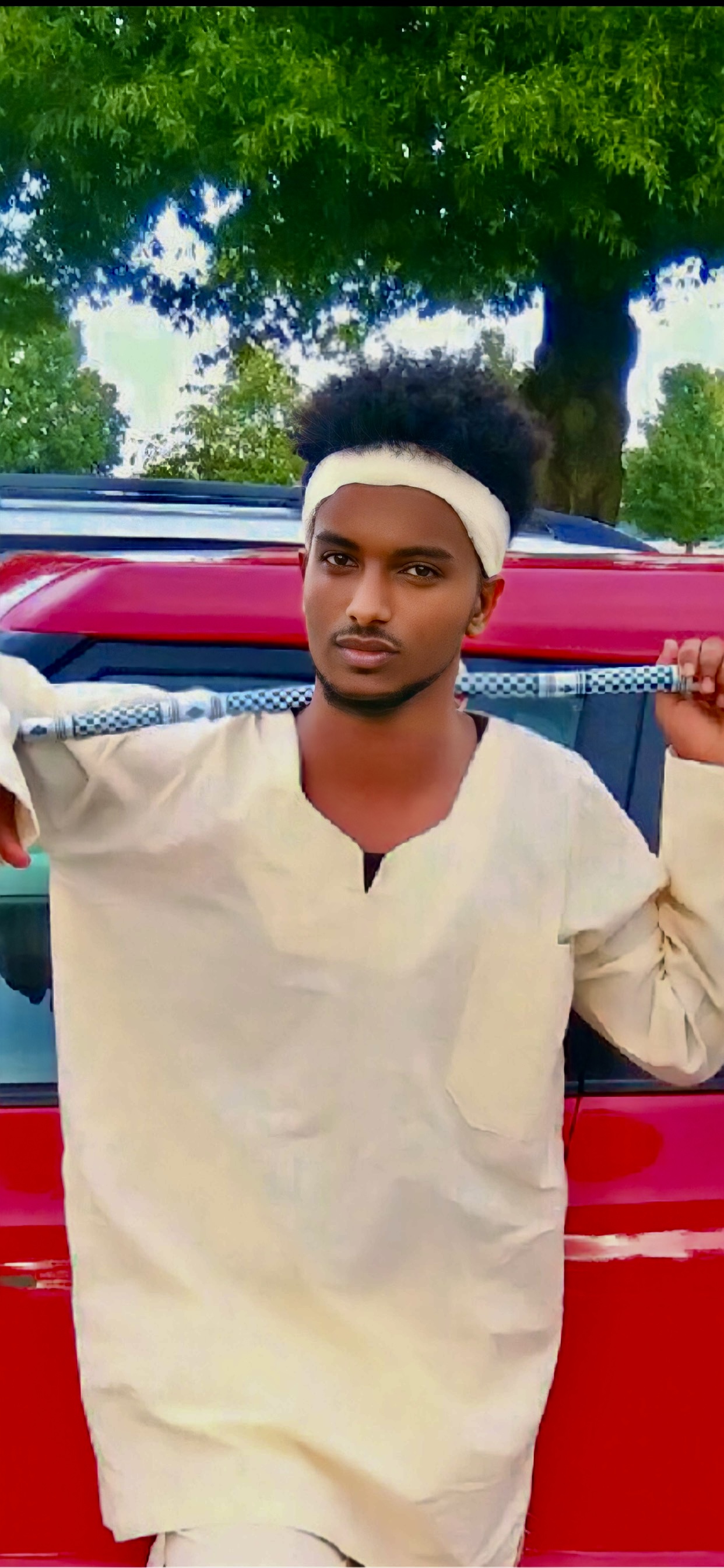
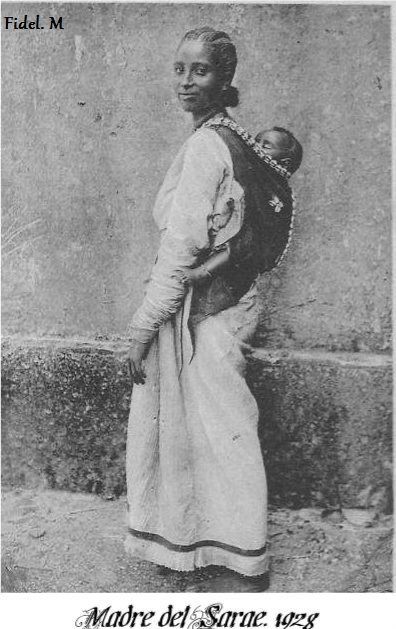
The Zuria is the traditional white cotton dress worn by Tigrinya women, decorated with colorful embroidered borders. Men wear white Zurรญa and Kuta (toga-like shawl). Each ethnic group has distinct traditional dress โ€” the Rashaida women's black velvet gowns with silver embroidery are particularly striking.

Asmara โ€” Africa's Modernist City

The capital city Asmara (แŠฃแˆตแˆ˜แˆซ โ€” meaning "They [women] made them unite" in Tigrinya) sits at 2,325 meters above sea level, giving it a cool, pleasant climate year-round โ€” earning it the nickname "La Piccola Roma" (Little Rome) during Italian rule.

In 2017, UNESCO inscribed Asmara as a World Heritage Site for its exceptional collection of 20th-century Modernist architecture โ€” including Futurist, Rationalist, Art Deco, and Expressionist buildings built during the Italian colonial period.

Notable Landmarks

  • Fiat Tagliero Building (1938) โ€” A masterpiece of Futurist architecture shaped like an airplane, built without any supporting columns โ€” its engineer reportedly pulled a gun on the construction workers to force them to remove the scaffolding
  • Cathedral of Our Lady of the Rosary โ€” Italian Romanesque Catholic cathedral (1922), one of the most beautiful churches in Africa
  • Asmara Opera House โ€” Art Deco theater from the colonial era
  • Cinema Impero โ€” Stunning 1937 Rationalist cinema
  • Bar Zilli & Bar Royal โ€” Historic Art Deco cafรฉs where locals sip macchiato
  • Medebar Market โ€” Where craftsmen repurpose metal into goods
  • Central Market โ€” Bustling market with fresh produce, spices, and goods
Fiat Tagliero Building, Asmara โ€” a Futurist masterpiece

Fiat Tagliero Building โ€” Asmara's iconic Futurist structure (1938)

๐Ÿšด

Cycling

Eritrea is one of Africa's premier cycling nations. The country produces world-class cyclists who compete internationally. Daniel Teklehaimanot became the first African to wear the polka-dot jersey (King of the Mountains) at the Tour de France in 2015. The Tour of Eritrea is one of Africa's oldest cycling races.

๐Ÿƒ

Long-Distance Running

Eritrean athletes excel in long-distance running at international competitions. Zersenay Tadese won multiple World Half Marathon Championships and holds the world record for the half marathon. Running at high altitude in the Eritrean highlands develops exceptional aerobic capacity.

โšฝ

Football

Football (soccer) is the most popular team sport in Eritrea. The Eritrea national football team competes in CECAFA (Council for East and Central Africa Football Associations) and African Cup competitions. The sport is played in every village and neighborhood across the country.

Eritrean Recipes

Traditional dishes from the highlands, coast, and lowlands โ€” step by step

Economy & Resources

A developing economy with rich mineral resources, agriculture, and strategic Red Sea access

โ›๏ธ

Mining

Eritrea has significant mineral resources. The Bisha Mine (gold, silver, copper, zinc) is one of the largest mines in East Africa. Gold, potash, copper, and zinc are major exports. Mining contributes substantially to government revenue.

๐ŸŒพ

Agriculture

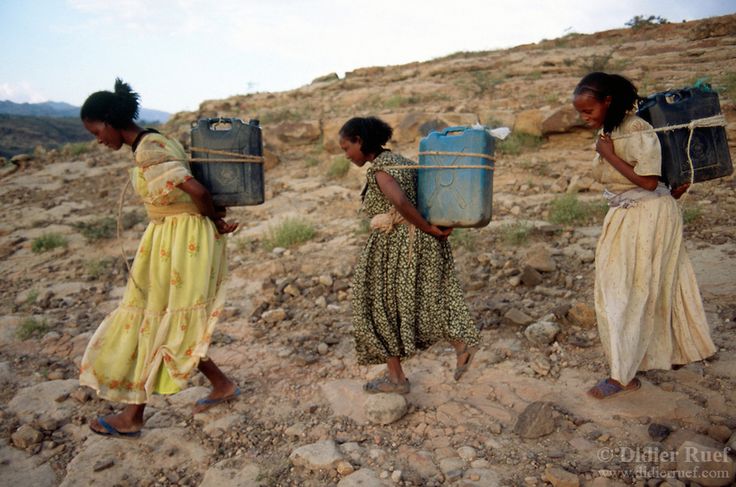
About 80% of the population depends on subsistence farming and herding. Main crops include teff, sorghum, millet, barley, wheat, lentils, and vegetables. Droughts and food insecurity have been recurring challenges, partly due to limited arable land and unpredictable rainfall.

๐ŸŽฃ

Fishing

The Red Sea offers vast fishing potential โ€” the waters off Eritrea are among the most productive in the world. The Dahlak Archipelago has rich fisheries. However, the sector remains underdeveloped relative to its potential, with artisanal fishing dominating.

๐Ÿ—๏ธ

Construction & Industry

Infrastructure development is a government priority. Cement production, food processing, textiles, and construction materials are key industries. Massawa and Assab are important port cities whose potential is growing with regional peace.

๐ŸŒ

Diaspora Remittances

The Eritrean diaspora โ€” estimated at 500,000โ€“1 million people worldwide โ€” sends significant remittances home. The government collects a 2% diaspora tax from overseas Eritreans, which is a notable source of government revenue and subject of international debate.

๐Ÿšข

Strategic Location

Eritrea's Red Sea ports (Massawa, Assab) have enormous strategic potential. The Bab el-Mandeb strait is one of the world's most important shipping lanes. Renewed regional peace with Ethiopia has opened new possibilities for Eritrea's ports to serve landlocked Ethiopia's trade.

Famous Eritreans

Athletes, artists, intellectuals and heroes who put Eritrea on the world stage

๐ŸŽต
Abraham Afewerki
Musician ยท "Voice of Eritrea"
1966 โ€“ 2006

One of the most beloved Eritrean artists of all time, Abraham Afewerki blended traditional Tigrinya music with modern sounds. His songs โ€” including Hamid and Hagerey โ€” remain anthems of Eritrean identity worldwide. He performed internationally and left a lasting musical legacy that transcends generations.

๐Ÿƒ
Zersenay Tadese
Athlete ยท World Half-Marathon Champion
Born 1982

One of Africa's greatest long-distance runners, Zersenay Tadese won multiple World Half Marathon Championship titles and held the world record for the half marathon (58:23). He competed at the Beijing and London Olympics, placing Eritrea firmly on the map of global athletics.

๐Ÿšด
Daniel Teklehaimanot
Cyclist ยท First African in Tour de France Polka Dot Jersey
Born 1988

In 2015, Daniel Teklehaimanot became the first African rider to wear the iconic polka-dot jersey (King of the Mountains) at the Tour de France โ€” a historic milestone for African cycling. He competed for MTN-Qhubeka and inspired a generation of African cyclists.

๐ŸŽถ
Yemane Barya
Musician & Poet ยท "King of Tigrinya Music"
1954 โ€“ 1997

Known as the "King" (แŠ•แŒ‰แˆต) of Tigrinya music, Yemane Barya was a revolutionary poet, singer and fighter. He composed timeless songs celebrating Eritrean identity, the liberation struggle, and the beauty of his homeland. His music remains a cornerstone of Eritrean cultural heritage.

โœ๏ธ
Dawit Isaak
Journalist ยท Press Freedom Icon
Born 1964 ยท Imprisoned 2001

A Swedish-Eritrean journalist and co-founder of the independent newspaper Setit, Dawit Isaak has been held without trial in Eritrea since September 2001. His case has become a global symbol of press freedom. He has received numerous human rights awards including the UNESCO/Guillermo Cano Press Freedom Prize.

๐ŸŽค
Helen Meles
Singer ยท Eritrea's Golden Voice
Born 1974

Considered one of Eritrea's greatest female vocalists, Helen Meles has a powerful voice that spans traditional Tigrinya music and modern ballads. Her songs โ€” including Lbi Haway and Gereger โ€” have made her a beloved icon across the Eritrean diaspora worldwide.

๐Ÿ†
Ghirmay Ghebreslassie
Marathon Runner ยท Olympic & World Champion
Born 1995

At just 20 years old, Ghirmay Ghebreslassie won the 2015 World Marathon Majors and the 2016 Rio Olympics marathon โ€” becoming one of the youngest marathon champions in Olympic history. His victory was a proud moment for Eritrea and all of Africa.

๐ŸŽค
Dehab Faytinga
Singer ยท Cultural Ambassador
Born 1965

A legendary Tigrinya singer who blends traditional Eritrean rhythms with pan-African influences. Dehab Faytinga performed at major international festivals and collaborated with global artists. She is celebrated for keeping Eritrean musical traditions alive while bridging cultures.

Eritrean Music & Artists

The voices and instruments that define Eritrean identity โ€” past and present

Government & Politics

A single-party presidential republic governed by the People's Front for Democracy and Justice

๐Ÿ›๏ธ Government System

Eritrea is officially a Presidential Republic. The People's Front for Democracy and Justice (PFDJ) is the sole legal political party, formerly known as the EPLF (liberation movement). No multi-party elections have been held since independence.

๐Ÿ‘ค President

Isaias Afwerki has been president since Eritrea's independence in 1993. He led the EPLF during the independence war and transitioned to become the head of state. He holds both executive and legislative power.

๐Ÿ“œ Constitution

A constitution was ratified in 1997 but has never been implemented. It provides for a transitional government period. The National Assembly exists but meets infrequently. Implementation of the constitution has been repeatedly delayed by the government.

๐Ÿ—บ๏ธ Administrative Divisions

Eritrea is divided into 6 regions (zobas): Anseba, Debub, Debubawi Keyih Bahri (Southern Red Sea), Gash-Barka, Maekel (Central, including Asmara), and Semenawi Keyih Bahri (Northern Red Sea).

โš”๏ธ Military

The Eritrean Defense Forces (EDF) include the Army, Navy, and Air Force. Eritrea maintains a large military relative to its population. National service is compulsory for all citizens โ€” men and women โ€” and has been a subject of international concern due to its indefinite duration.

๐ŸŒ Foreign Relations

Eritrea is a member of the African Union, Arab League, and United Nations. Relations with Ethiopia normalized dramatically in 2018. Eritrea has close ties with Gulf states. Relations with Sudan, Djibouti, and some Western nations have been complex and varying.

Eritrean Cultural Calendar

National holidays, historical anniversaries, and cultural events โ€” month by month

Eritrean Holidays & Calendar

National, religious, and cultural celebrations throughout the Eritrean year

Languages of Eritrea

Nine ethnic languages, three official working languages, and a remarkable linguistic diversity

EN

English

The third official working language, used in higher education, business, and international relations. A legacy of the British Administration period (1941โ€“1952) and continued colonial-era education systems.

Indo-European โ†’ Germanic โ†’ West Germanic
แ‰ตแŒแˆจ

Tigre

Spoken by the Tigre people (~30%), also written in Ge'ez script. A Semitic language closely related to Tigrinya but mutually unintelligible. The second most spoken indigenous language of Eritrea.

Semitic โ†’ Ethiopic Branch
แˆณแˆ†

Saho

A Cushitic (Afro-Asiatic) language spoken by the Saho people in the southeastern highland and coastal regions.

Afroasiatic โ†’ Cushitic
แ‰ขแˆˆแŠ•

Bilen

Spoken around Keren by the Bilen people. A Central Cushitic (Agaw) language, related to other Agaw languages of the Ethiopian highlands.

Afroasiatic โ†’ Cushitic โ†’ Agaw

AI Tigrinya โ†” English Translator

Translate between Tigrinya (แ‰ตแŒแˆญแŠ›) and English using AI-powered machine translation

Translation will appear here...

Powered by AI machine translation. Tigrinya uses the Ge'ez script (แŠแ‹ฐแˆ).

Common Tigrinya Phrases

Click a phrase to load it for translation

แˆฐแˆ‹แˆ Hello / Peace (Selam)
แ‹จแ‰แŠ•แ‹จแˆˆแ‹ญ Thank you (Yekenyeley)
แŠจแˆ˜แ‹ญ แŠฃแˆˆแŠซ? How are you? (Kemey aleka?)
แˆญแˆ‘แˆต แŒฝแ‰ฃแˆ• Good morning (Rhus tsbah)
แˆฐแŠ“แ‹ญ แˆแˆธแ‰ต Good evening (Senay mshet)
แˆตแˆแŠซ แˆ›แŠ• แŠขแ‹ฉ? What is your name?
แŠคแˆญแ‰ตแˆซ แˆƒแŒˆแˆจแ‹ญ แŠขแ‹ซ Eritrea is my country
แˆ›แ‹ญ แˆƒแ‰ แŠ’ Give me water (May habeni)
แ‰‹แŠ•แ‰‹ แ‰ตแŒแˆญแŠ› แ‹ญแˆแ‰ฑ I love the Tigrinya language
แˆ“แ‹ฐ แˆ…แ‹แ‰ข แˆ“แ‹ฐ แˆแ‰ข One people, one heart (national motto)

Must-Visit Places

From UNESCO World Heritage sites to pristine Red Sea beaches โ€” Eritrea is Africa's hidden gem

๐Ÿ›๏ธ UNESCO Heritage

Asmara

The capital city with an extraordinary collection of Art Deco, Futurist, Rationalist, and Expressionist architecture. Walk Harnet Avenue, visit Cinema Impero, and explore the vibrant Central Market.

โš“ Historic Port

Massawa (Mitsiwa)

A 3,000-year-old port city on the Red Sea. Features Ottoman, Egyptian, and Italian architecture, the historic Sheikh Hanafi Mosque, and dramatic ruins from the 1990 liberation battle. Gateway to the Dahlak Archipelago.

๐Ÿ๏ธ Marine Paradise

Dahlak Archipelago

Over 200 islands in the Red Sea with crystal-clear waters, untouched coral reefs, sea turtles, dolphins, and dugongs. One of the least-visited and most pristine marine environments in the world.

๐Ÿช Cultural Hub

Keren

Eritrea's second city, nestled in a mountain valley. Famous for the weekly camel market, the Shrine of Our Lady of Keren, and historical sites from World War II battles between British and Italian forces.

๐Ÿš‚ Railway

Asmaraโ€“Massawa Railway

One of the world's most spectacular railways, built by the Italians, descending 2,400 meters in just 120 km through tunnels, bridges, and switchbacks. Eritreans lovingly maintain this historic marvel, partly with steam engines.

๐Ÿ”ฑ Ancient

Qohaito Archaeological Site

Ancient ruins of the Aksumite period including the Temple of Mariam Wakiro, the Saphira Dam, and mysterious rock engravings. One of the most significant archaeological sites in the Horn of Africa.

Articles & Deep Dives

Long-form writing about Eritrea's history, culture, diaspora life, and more

Loading articlesโ€ฆ

How Much Do You Know About Eritrea?

Test your knowledge โ€” 10 questions about Eritrea's history, culture, and geography

From ancient kingdoms to modern champions โ€” how well do you know the Land of the Red Sea?

Community & Travel Guide

Stories from Eritreans worldwide ยท Travel routes to Eritrea from anywhere on the map

Loading postsโ€ฆ

Click any country to see how to reach Asmara International Airport (ASM) from there

โ†‘
๐Ÿ“ก You're offline โ€” app still works!
๐ŸŽ– National Anthem
Eritrean Defence Forces โ€” Martyrs' Day Asmara 2023
Eritrean Defence Forces
แŠคแˆญแ‰ตแˆซ แŠคแˆญแ‰ตแˆซ แŠคแˆญแ‰ตแˆซ
Ertra, Ertra, Ertra — National Anthem
0:00
0:00
Performed by US Navy Band — Public Domain
๐Ÿ‡ช๐Ÿ‡ท
Eritrea AI Guide
Ask me anything
Selam! ๐Ÿ‘‹ I'm your Eritrea AI Guide. Ask me anything โ€” history, culture, Tigrinya language, geography, food, or any other topic!

๐Ÿ”‘ Connect Free AI

This chat uses Google's Gemini 1.5 Flash โ€” free with no credit card needed.
Get your free key at aistudio.google.com, then paste it below.

Your key is saved only in this browser and only used to call Google's API.

๐Ÿ‡ช๐Ÿ‡ท
Eritrean Info
Free  ยท  Works Offline  ยท  No App Store Needed

Choose your device to see how to install:

๐Ÿค–
Android — Chrome
  1. Open this site in Chrome
  2. Tap the โ‹ฎ menu (top-right)
  3. Tap "Add to Home Screen"
  4. Tap Add — done!
๐ŸŽ
iPhone & iPad — Safari
  1. Open this site in Safari
  2. Tap the Share button □↑
  3. Scroll down, tap "Add to Home Screen"
  4. Tap Add — done!
๐Ÿ–ฅ๏ธ
Windows & Mac — Chrome / Edge
  1. Open this site in Chrome or Edge
  2. Click the install icon โŠ• in the address bar
  3. Click "Install" in the popup
  4. App opens in its own window — done!
โšก Instant load
๐Ÿ“ถ Works offline
๐Ÿ”” No App Store
๐Ÿ’พ ~2 MB size

Ge'ez Fidel Alphabet

The ancient script of Tigrinya โ€” learn the letters, then learn words written with them

7 forms ร— 33 consonants = 231 characters
Base
โ€”u
โ€”i
โ€”a
โ€”e
โ€”ษ™
โ€”o

Tigrinya Language Lessons

5 beginner lessons โ€” Alphabet, Numbers, Colors, Days of the Week, Common Phrases

0 / 5 complete

Eritrean Proverbs

Ancient Tigrinya wisdom โ€” a new proverb every day, plus the full library

Eritrean Poetry Corner

Famous Tigrinya poems with transliteration, translation, and audio reading

Eritrean Fact Generator

Random fascinating facts about Eritrea โ€” tap for a new one

๐Ÿ‡ช๐Ÿ‡ท
Loading a factโ€ฆ

Eritrean Sports Tracker

Cycling, running, football โ€” Eritrea's world-class athletes

Eritrean Flag Explorer

Click each element of the flag to discover its meaning and history

๐Ÿซ’
โ† Click a colour or the emblem to learn its meaning

Eritrean Diaspora World Map

Where Eritreans live around the world โ€” click a bubble to see the community

Compare Eritrea

Side-by-side stats with any African nation

Daily Prayer Times

Salah times for Asmara, Massawa & Keren โ€” updated daily

Loading prayer timesโ€ฆ

Virtual Asmara Art Deco Tour

Walk through UNESCO-listed modernist buildings โ€” Africa's "Cittร  degli Italiani"

Eritrean Cooking Videos

Watch how traditional dishes are made โ€” step by step

Diaspora Community Events

Eritrean festivals, cultural nights & memorials happening worldwide

Eritrean Business & NGO Directory

Eritrean-owned businesses, restaurants, organisations & community groups worldwide

0% Explored